
Art as an Asset Class: Integrating Cultural Legacy into Wealth Strategy
 Prefer us on Google


The Evolution of Art as a Financial Asset
Art has moved far beyond personal passion or lifestyle expression. Today, it is increasingly recognized as a strategic asset class within diversified wealth portfolios. While art has historically shown low correlation to traditional financial markets, its value remains influenced by macroeconomic trends, geopolitical conditions, and shifting cultural preferences.
This growing convergence of culture and finance is supported by an expanding ecosystem of artists, collectors, galleries, auction houses, banks, insurers, logistics specialists, valuers, and legal advisors. Together, they enable art to function as both a cultural treasure and a financial instrument.
Cultural Legacy Planning: Art in Long-Term Wealth Structures
The role of art within wealth planning continues to rise. According to the Art Basel & UBS Survey of Global Collecting 2025, HNWIs now allocate 20% of their wealth portfolios to art, up from 15% in 2024. The research also found that inheritance is a major factor in art ownership, with 84% have inherited art and 80% intending to pass their collections to children or partners.
Succession planning for art is not merely administrative, it is about sustaining a cultural legacy, safeguarding provenance, and ensuring intergenerational continuity. Proper structuring ensures artwork remains preserved, valued and contextually understood by future heirs.
Unlocking Liquidity Through Art Backed Capitalization
As art values rise, collectors are increasingly leveraging their collections for liquidity. Art-backed financing, offered by private banks, specialized lenders, and auction houses, allows collectors to monetize assets without divesting from their collections. These facilities support:
• Philanthropic or legacy initiatives
• Portfolio reallocation
• New acquisitions
• Broader wealth planning needs
Art therefore becomes a flexible capital asset, supporting both lifestyle ambitions and long term wealth strategies.
Art as an Investment: Diversification and Financial Performance
Beyond cultural meaning, many collectors view art as an investment tool. As the art market matures – with increased transparency, enhanced digitalization, and improved market analytics, art investment has become more structured, data driven, and aligned with broader asset allocation principles.
Art Insurance: A Critical Enabler of Asset Preservation and Wealth Transition
As art becomes a meaningful part of wealth portfolios, insurance emerges as a foundational tool to support asset preservation and seamless transition across generations.
Why Insurance Matters in Art Wealth Strategy
Art assets are highly unique, illiquid, and sensitive to risk. Insurance provides stability in an otherwise complex landscape by:
a. Preserving Financial Value
• Ensures artworks are covered to reflect reasonable market value for their true financial worth
• Avoids unexpected financial loss from damage, theft, transit exposure, or environmental incidents
b. Supporting Long Term Cultural Legacy
• Protects heirloom and inherited pieces essential to family heritage
• Facilitates smooth transfer of assets within estate and succession planning
• Provides documentation and valuation support that heirs may otherwise lack
c. Strengthening Portfolio Integrity
• Mitigates risk for art backed loans by ensuring collateral is properly protected
• Enhances the credibility and stability of art used in financial planning structures
d. Enabling Mobility and Display
• Covers artworks during lending to museums, exhibitions, or private showings while collectors to expand the cultural value impact to public
• Ensures that cultural pieces can be shared publicly without compromising financial security
Insurance as a Bridge Between Culture and Finance
By providing risk management, valuation assurance, and asset protection, art insurance allows collectors to confidently integrate their art holdings into their broader wealth strategies. It supports every stage – from acquisition and financing to legacy planning and intergenerational transfer, ensuring that art remains both a protected financial asset and a preserved cultural legacy.
As art increasingly functions as an asset class, collectors are leveraging it not only for cultural enrichment but for strategic wealth management. The integration of art into portfolios, supported by valuation, lending, succession planning, and insurance, demonstrates its dual role:
• a financial asset with long term value, and
• a cultural legacy to be preserved across generations.
Among these components, art insurance plays a pivotal role, offering the protection and stability required to confidently incorporate art into modern wealth strategies.
At Howden Private Wealth, we deliver bespoke insurance solutions for collectors, leveraging deep expertise and heritage to design and place programmes covering major library collections, fine art, and rare collectibles with confidence.
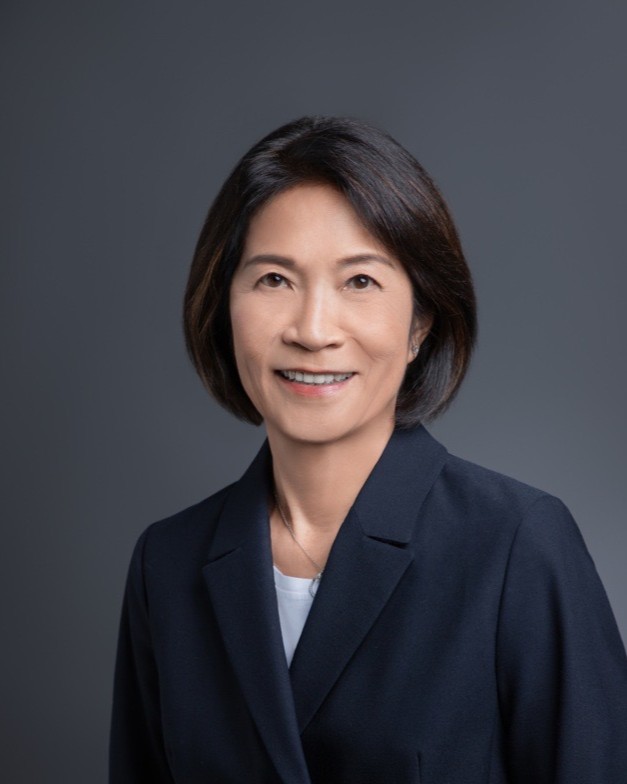
Jennifer Scally
Senior Advisor, Fine Art and Private Client
hpw.fineart@howdengroup.com
Jennifer Scally is a strategic and visionary insurance executive with over 3 decades of proven leadership in Asia’s insurance markets, specializing in fine art and high-net-worth personal Insurance solutions. Recognized for market development, regional expansion, and business transformation, she has pioneered and driven growth by identifying untapped opportunities, launching innovative solutions, and building strong networks across Hong Kong, Greater China, Singapore, Malaysia, and Taiwan.
Prior to joining Howden Private Wealth, she served as Senior Advisor and previously as Head of Fine Art, Specie, and Private Client for AXA XL in Asia, where she drove regional growth, crafted bespoke propositions for affluent clients, and strengthened distribution networks across key markets.
With deep expertise in fine art and private client insurance, Jennifer combines global insight with local market knowledge, excelling at delivering commercial success and safeguarding cultural assets in complex, multicultural environments.